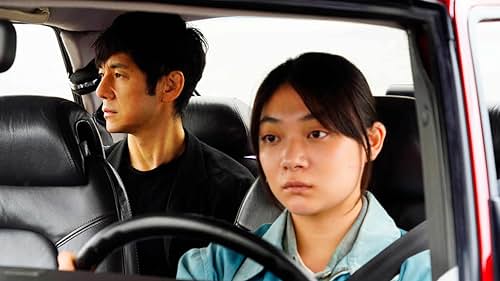
1. Although the film was shot entirely in Kyoto, it is officially a UK production.
2. AI-generated imagery was used to depict the aftermath of a disaster, allowing the story to explore emotional weight without showing real events.
3. The phrase "Pain Pain Fly Away," used by Nayu, symbolizes emotional healing and is central to the film's themes.
4. Director Akio drew inspiration from living in Kyoto, Tokyo, and London to shape both the visual style and emotional tone.
5. Scenes of the destroyed hometown were digitally created to maintain sensitivity and respect for real disaster survivors.
6. The film intentionally avoids showing the cause of loss until the final moments, emphasizing hope and resilience over tragedy.
7. The quiet, reflective style focuses on the inter-generational bond between grandfather and granddaughter rather than spectacle.
8. Calligraphy scenes were inspired by traditional Japanese Zen practices, highlighting the intimate connection between the characters.
9. The film's title and tagline, "When tomorrow breathes, hope quivers in silence," reflect its meditation on healing and moving forward.
10. Drone and aerial shots were used sparingly to give perspective and scale without diminishing the film's intimate tone.