Omar Khayyam Saharanpuri
- Writer
- Actor
- Music Department
Omar Khayyam Saharanpuri (also credited as Hafiz Omar Khayyam Saharanpuri, Omar Khayyam, and Umar Khayyam Saharanpuri) is an Indian screenwriter, dialogue writer, producer, actor, and playwright whose career spans Hindi cinema, television, and theatre. Known for his command of dialogue and storytelling, he worked across a wide range of genres including horror, suspense, fantasy, social drama, and historical narratives.
Born in Saharanpur, Uttar Pradesh, India, he received a strong foundation in Urdu literature, traditional storytelling, and Islamic studies. Having memorised the Holy Quran at an early age, he was credited on some projects as Hafiz Omar Khayyam Saharanpuri. His literary background and understanding of cultural traditions later became important influences on his screenwriting career.
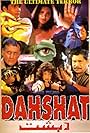
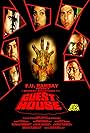
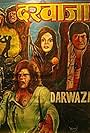
Saharanpuri became particularly associated with the celebrated Ramsay Brothers and contributed dialogue to several of their best-known horror and suspense films. His credits include Darwaza (1978), Saboot (1980), Guest House (1980), Dahshat (1981), Haveli (1985), Dak Bangla (1987), and Veerana (1988). Through these films, he helped shape the atmosphere, characterisation, and dramatic tone that contributed to the enduring popularity of Ramsay cinema among generations of horror enthusiasts.
Beyond the horror genre, Saharanpuri worked on mainstream Hindi film productions and was recognised for his knowledge of language, culture, and religious traditions. He received screen credit as Supervisor of Religious Scenes on B.R. Chopra’s acclaimed social drama Nikaah (1982), contributing to the film’s authenticity in its portrayal of Islamic customs and religious practices.
In addition to his writing career, he was involved in film production and is credited as producer of Sartaj (1950). He also worked as an actor and creative contributor on selected projects, reflecting his broad involvement in multiple aspects of filmmaking.
Saharanpuri’s work extended beyond cinema into television, including contributions to fantasy and historical storytelling. He is particularly associated with the television series Alif Laila, inspired by the classic tales of One Thousand and One Nights. His work helped bring traditional stories, folklore, and adventure narratives to television audiences across the Indian subcontinent.
Throughout his career, Omar Khayyam Saharanpuri earned recognition for his versatility and ability to adapt his writing to different genres and audiences. From horror classics and suspense thrillers to social dramas and fantasy adventures, his contributions form part of the rich tradition of Indian film and television storytelling.
Beyond the horror genre, Saharanpuri worked on mainstream Hindi film productions and was recognised for his knowledge of language, culture, and religious traditions. He received screen credit as Supervisor of Religious Scenes on B.R. Chopra’s acclaimed social drama Nikaah (1982), contributing to the film’s authenticity in its portrayal of Islamic customs and religious practices.
In addition to his writing career, he was involved in film production and is credited as producer of Sartaj (1950). He also worked as an actor and creative contributor on selected projects, reflecting his broad involvement in multiple aspects of filmmaking.
Saharanpuri’s work extended beyond cinema into television, including contributions to fantasy and historical storytelling. He is particularly associated with the television series Alif Laila, inspired by the classic tales of One Thousand and One Nights. His work helped bring traditional stories, folklore, and adventure narratives to television audiences across the Indian subcontinent.
Throughout his career, Omar Khayyam Saharanpuri earned recognition for his versatility and ability to adapt his writing to different genres and audiences. From horror classics and suspense thrillers to social dramas and fantasy adventures, his contributions form part of the rich tradition of Indian film and television storytelling.