Release calendarTop 250 moviesMost popular moviesBrowse movies by genreTop box officeShowtimes & ticketsMovie newsIndia movie spotlight
    What's on TV & streamingTop 250 TV showsMost popular TV showsBrowse TV shows by genreTV news
    What to watchLatest trailersIMDb OriginalsIMDb PicksIMDb SpotlightFamily entertainment guideIMDb Podcasts
    OscarsPrimetime EmmysToronto Int'l Film FestivalFall TV GuideMost Anticipated This MonthSTARmeter AwardsAwards CentralFestival CentralAll events
    Born todayTrending peopleCelebrity news
    IMDb LabsHelp centerContributor zonePolls
For industry professionals
  • Language
  • Fully supported
  • English (United States)
    Partially supported
    Some content may be auto-translated
  • Français (Canada)
  • Français (France)
  • Deutsch (Deutschland)
  • हिंदी (भारत)
  • Italiano (Italia)
  • Português (Brasil)
  • Español (España)
  • Español (México)
Watchlist
Sign in
  • Fully supported
  • English (United States)
    Partially supported
    Some content may be auto-translated
  • Français (Canada)
  • Français (France)
  • Deutsch (Deutschland)
  • हिंदी (भारत)
  • Italiano (Italia)
  • Português (Brasil)
  • Español (España)
  • Español (México)
Use app
Back
  • Biography
  • Awards
  • Trivia
IMDbPro
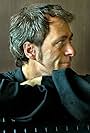
Hubert Sauper in We Come as Friends (2014)

Quotes

Hubert Sauper

  • When I select my characters, I ask myself: do I like this person? Do I want to spend a part of my life with them?
  • [after being asked why he filmed in Kisangani, Congo] 'For several years I've been following wandering, migrating, rootless people: traveling artists, circus performers, gypsies - this has become a central interest to me as a filmmaker, perhaps because rootlessness and exile so define our times. But I was not prepared for what was to come. Naïve enough to go to a country in civil war, I wanted to make a documentary about refugees and life on the run.

    What I found in the rotten jungle of the Congo were not refugees, but human beings in tens of thousands, muted by starvation and military persecution, silent; dying or dead. Without having intended, I became a witness to an apocalypse. The horror was not only seeing the results of another senseless war, another genocide, but understanding the continuing indifference of our "civilised" world towards such man-made disasters - at the end of our century of holocausts.

    Children without parents. Faces without hope. Bodies without graves. White men walking over black corpses. TV-cameras and machine-guns shooting. Shooting right into the crowded camps.

    For me, making this documentary was a step too far into the dark, the unknown. And how to come back?

    Now the film exists. "Spectators" may expect a well-reflected and reassuring commentary to comfort them, to protect them from the enigma they have to watch. But there is not much left to explain. The images stand for themselves, and while editing the Kisangani Diary, I used them chronologically as they had occurred - naked and ugly. The audience is completely exposed to become an eye-witness to the "Heart of Darkness" of human nature.

Contribute to this page

Suggest an edit or add missing content
  • Learn more about contributing
Edit page

More from this person

More to explore

Recently viewed

You have no recently viewed pages
Get the IMDb app
Sign in for more accessSign in for more access
Follow IMDb on social
Get the IMDb app
For Android and iOS
Get the IMDb app
  • Help
  • Site Index
  • IMDbPro
  • Box Office Mojo
  • License IMDb Data
  • Press Room
  • Advertising
  • Jobs
  • Conditions of Use
  • Privacy Policy
  • Your Ads Privacy Choices
IMDb, an Amazon company

© 1990-2026 by IMDb.com, Inc.