Mohsen Nasr(1935-2019)
- Cinematographer
- Camera and Electrical Department
Mohsen Nasr was an Egyptian cinematographer and he is considered one of the most prominent directors of photography in Egypt and the Arab world. He worked with renowned directors such as Youssef Chahine, Ali Badrakhan, Atef El-Tayeb, Raafat El-Mihi, Mohamed Khan and Sherif Arafa.
Mohsen Nasr belonged to a family deeply rooted in the art of cinematography. He is the younger brother of cinematographer and director Abdel Halim Nasr and cinematographer Mahmoud Nasr, from whom he acquired his expertise after working as an assistant on several films before establishing himself independently as a cinematographer, then as a director of photography. He became an important figure, adding to the legacy of the Nasr family in Egyptian cinema.
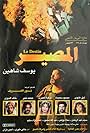
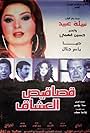
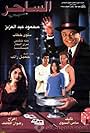
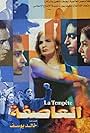
His long artistic career includes over 150 films and series, among the most prominent are: Love in Karnak (1967), Whom Should We Shoot? (1975), Shafika and Metwali (1978), We Are the Bus People (1979), Ahlam Hind wa Kamilya (1988), The Escape (1991), El-Lib maa el-Kebar (1991) and Destiny (1997).
He received numerous awards, certificates of appreciation, and honors, and was recognized by the Alexandria Film Festival in 2008 as one of the most important cinematographers in the history of Egyptian and Arab cinema.
Mohsen Nasr belonged to a family deeply rooted in the art of cinematography. He is the younger brother of cinematographer and director Abdel Halim Nasr and cinematographer Mahmoud Nasr, from whom he acquired his expertise after working as an assistant on several films before establishing himself independently as a cinematographer, then as a director of photography. He became an important figure, adding to the legacy of the Nasr family in Egyptian cinema.
His long artistic career includes over 150 films and series, among the most prominent are: Love in Karnak (1967), Whom Should We Shoot? (1975), Shafika and Metwali (1978), We Are the Bus People (1979), Ahlam Hind wa Kamilya (1988), The Escape (1991), El-Lib maa el-Kebar (1991) and Destiny (1997).
He received numerous awards, certificates of appreciation, and honors, and was recognized by the Alexandria Film Festival in 2008 as one of the most important cinematographers in the history of Egyptian and Arab cinema.