Yoshimitsu Morita(1950-2011)
- Writer
- Director
- Producer
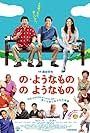
Yoshimitsu Morita was a highly influential, award-winning Japanese film director and screenwriter renowned for his extreme versatility and biting social satires. Self-taught as a filmmaker, he first experimented with 8mm short films during the 1970s before making his feature directorial debut with Something Like It (1981). Over a prolific three-decade career, Morita boldly jumped across genres, comfortably helmimg dark comedies, intense crime thrillers, romances, and period melodramas.
He achieved breakout international acclaim with his masterpiece, The Family Game (1983). The acclaimed dark comedy serves as an exhilarating, visually striking parody of conformist Japanese family values and education systems. The film earned Morita widespread recognition, including the prestigious New Directors Award from the Directors Guild of Japan, and was voted the picture of the year by the nation's top critics.
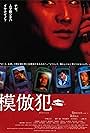
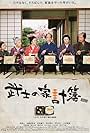
Morita continuously proved to be ahead of his time by exploring modern human connection. In 1996, he anticipated the rise of online romance with the internet-themed drama Haru. He followed this success with major commercial and critical hits, including the provocative thriller Lost Paradise (1997) and the complex psychological courtroom drama Keiho (1999), which won him Best Director at the Yokohama Film Festival. Later in his career, he took on ambitious projects like the 2007 remake of Akira Kurosawa’s classic Sanjuro.
Throughout his life, Morita's signature style blended idiosyncratic humor with an uncanny ability to capture the fragile beauty and rigid absurdities of everyday life. His works were regularly showcased at prominent international film festivals, such as Berlin and Montreal. He left behind a rich, diverse cinematic legacy as one of the most original and defining creative voices of modern Japanese cinema.
He achieved breakout international acclaim with his masterpiece, The Family Game (1983). The acclaimed dark comedy serves as an exhilarating, visually striking parody of conformist Japanese family values and education systems. The film earned Morita widespread recognition, including the prestigious New Directors Award from the Directors Guild of Japan, and was voted the picture of the year by the nation's top critics.
Morita continuously proved to be ahead of his time by exploring modern human connection. In 1996, he anticipated the rise of online romance with the internet-themed drama Haru. He followed this success with major commercial and critical hits, including the provocative thriller Lost Paradise (1997) and the complex psychological courtroom drama Keiho (1999), which won him Best Director at the Yokohama Film Festival. Later in his career, he took on ambitious projects like the 2007 remake of Akira Kurosawa’s classic Sanjuro.
Throughout his life, Morita's signature style blended idiosyncratic humor with an uncanny ability to capture the fragile beauty and rigid absurdities of everyday life. His works were regularly showcased at prominent international film festivals, such as Berlin and Montreal. He left behind a rich, diverse cinematic legacy as one of the most original and defining creative voices of modern Japanese cinema.