Ernesto Lecuona(1895-1963)
- Composer
- Actor
- Music Department

Probably the most important musician to be born in Cuba, Ernesto
Lecuona was already playing piano at age 5. He obtained his master in
piano with a gold medal at the National Conservatory when he was barely
17 years old. Among his teachers were Antonio Saavedra (a disciple of
Ignacio Cervantes), Joaquin Nin and
the Dutch composer Hubert de Blanck who resided in Havana. When his
father died, young Lecuona was forced to work playing piano in
silent-movie bistros in order to help the family finances. As he became
known as a concert pianist he also started composing. In spite of being
a classical pianist, early on Lecuona showed interest in popular music
and composed "La Comparsita" and other dance pieces which defined Cuban
music by uniting the Spanish-European musical tradition with African
rhythms. In 1917 he made his first recordings in New York, where he
settled for a while, but in 1918 he was back in Cuba to found the
Instituto Musical de La Habana. He composed his first operetta in 1919
and became wildly successful in this genre, turning out more than 50
staged musicals. In 1927 he unveiled his "Malaguena" at the Roxy
Theater in New York with enormous success (fellow composer
Ravel exclaimed, "It is more beautiful
and melodic than my 'Bolero!'").
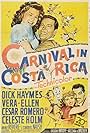
The hit parade success in 1929 of "Siboney" marked another milestone in Lecuona's career and he became known as the "Cuban Gershwin." This encouraged him to form the "Orquestra Cubana", which quickly became a favorite ensemble worldwide. During a tour of Spain, the composer had to leave the orchestra for health reasons and went back to Cuba for a needed rest. The group, now under the direction of Armando Orechife, change its name to "Lecuona Cuban Boys" and continued touring the world for many years, even appearing in films.
In the late 1930s and 1940s Lecuona wrote several soundtracks for films at MGM, 20th Century-Fox and Warner Bros. The love theme for Always in My Heart (1942) became a huge hit, with more than 1,000 versions recorded by vocalists and orchestras. By the end of World War II Lecuona had built an impressive catalog of music, which included 400 songs, 176 pieces for piano, 52 operettas, zarzuelas and musical revues, 31 orchestral works, 11 soundtracks for the cinema, 5 ballets, one trio and an opera. It was obviously time to relax and enjoy the fruit of his labors, so he spaced out his musical commitments and dedicated himself to gardening and the breeding of tropical birds. Although quite wealthy, Lecuona preferred a simple lifestyle and was very proud of his roses and fruit trees. He detested politics but was notoriously generous: he financed, with his own money, various artists' associations including, with maestro Gonzalo Roig, the founding of Sociedad Nacional de Autores, devoted to protecting the copyrights of Cuban musicians.
When 'Fidel Castro (I)' (v) came to power, Lecuona, along with hundreds of thousands of Cubans, went into exile. He settled in Tampa, Florida, and it's possible that he later moved to New York, where he led a quiet life hoping for the end of the communist dictatorship on his beloved island. In 1963 he traveled to the Canary Islands off the coast of Spain to attend a tribute being held in his honor and died there on November 23rd. His body was claimed by the government of Malaga, Spain, which wanted to bury the immortal composer of "Malaguena" in their land; it was also claimed by the Cuban government, which hoped to cover up the fact that its most prestigious artist was in exile. Cuban organizations in Miami protested the move and Lecuona's body rests today at the Westchester Cemetery in New York.
The hit parade success in 1929 of "Siboney" marked another milestone in Lecuona's career and he became known as the "Cuban Gershwin." This encouraged him to form the "Orquestra Cubana", which quickly became a favorite ensemble worldwide. During a tour of Spain, the composer had to leave the orchestra for health reasons and went back to Cuba for a needed rest. The group, now under the direction of Armando Orechife, change its name to "Lecuona Cuban Boys" and continued touring the world for many years, even appearing in films.
In the late 1930s and 1940s Lecuona wrote several soundtracks for films at MGM, 20th Century-Fox and Warner Bros. The love theme for Always in My Heart (1942) became a huge hit, with more than 1,000 versions recorded by vocalists and orchestras. By the end of World War II Lecuona had built an impressive catalog of music, which included 400 songs, 176 pieces for piano, 52 operettas, zarzuelas and musical revues, 31 orchestral works, 11 soundtracks for the cinema, 5 ballets, one trio and an opera. It was obviously time to relax and enjoy the fruit of his labors, so he spaced out his musical commitments and dedicated himself to gardening and the breeding of tropical birds. Although quite wealthy, Lecuona preferred a simple lifestyle and was very proud of his roses and fruit trees. He detested politics but was notoriously generous: he financed, with his own money, various artists' associations including, with maestro Gonzalo Roig, the founding of Sociedad Nacional de Autores, devoted to protecting the copyrights of Cuban musicians.
When 'Fidel Castro (I)' (v) came to power, Lecuona, along with hundreds of thousands of Cubans, went into exile. He settled in Tampa, Florida, and it's possible that he later moved to New York, where he led a quiet life hoping for the end of the communist dictatorship on his beloved island. In 1963 he traveled to the Canary Islands off the coast of Spain to attend a tribute being held in his honor and died there on November 23rd. His body was claimed by the government of Malaga, Spain, which wanted to bury the immortal composer of "Malaguena" in their land; it was also claimed by the Cuban government, which hoped to cover up the fact that its most prestigious artist was in exile. Cuban organizations in Miami protested the move and Lecuona's body rests today at the Westchester Cemetery in New York.