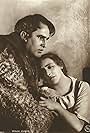
Friedrich Hebbel(1813-1863)
- Writer
He grew up in poor circumstances and was denied higher education and university studies. Hebbel acquired his education autodidactically through constant reading while he worked as an errand boy and clerk for a church playmaster. His first poems were published in regional newspapers. In 1835 he went to Hamburg to prepare for studies. There he met Elise Lensing, his future lover, with whom he had two children. She and the writer Amalia Schoppe made it possible for him to stay in Hamburg. This period also marked the beginning of his diaries, in which he reflected on art, philosophy and his own works, and they also provide information about his life. They are among the most interesting remarks in 19th century literature. He stopped studying law in Heidelberg in 1836.
Hebbel went to Munich because he thought there would be better opportunities for his writing there. During this time he studied the great tragedies of Aeschylus, William Shakespeare and Friedrich Schiller. After an unsuccessful stay, he returned to Hamburg in 1839. There he worked as a reviewer and contributor to the "Telegraphen für Deutschland", a paper published by Karl Gotzkow. In 1840 Hebbel completed work on the tragedy "Judith", which established his reputation as a dramatic writer. In his polemic "My Word on Drama" (1843) he published his views on art and drama. In the same year he went on a trip to Paris, which he financed with a travel grant granted by the Danish king. There he met Heinrich Heine and the radical democrat Arnold Ruge. Further trips to Rome and Naples followed. In 1848 he finished an edition of poems that he dedicated to Ludwig Uhland.
His philosophical thoughts are reflected in the lyrical works, without developing them into pure abstract thought poetry. They are connected with reflections, personal and allegorical interpretations. From 1845 Hebbel lived in Vienna, where he also met his future wife, Christine Enghaus. They married in 1846. At the time of the revolution in 1848, the writer was already one of the well-known personalities in Vienna. As a zealous journalist, he championed the constitutional monarchy on a democratic basis. The marriage drama "Herod and Marianne" (1850) was also written during this time. In 1855 the drama "Agnes Bernauer" was published, which depicts the conflict between the individual right to freedom and love and the comprehensive state power. Here and in Hebbel's other dramas it becomes clear that the author addresses the concept of a lasting moral world order and uses less socio-historical change processes as a means of representation.
Hebbel consistently advocated independence for art. In the design of his dramatic works he followed the traditional structure. "Gyges and his Ring" was written in 1856. Hebbel was honored with the Schiller Prize in 1863 for the "Nibelungen" trilogy (1862). The national material and the author were particularly captured by the National Socialists in the Third Reich. This reception was damaging to the author. But criticism also came from colleagues, such as Gottfried Keller and other contemporaries. The accusations against Hebbel's material design were "artificial and complicated motivation" and "historical arbitrariness". On the other hand, there is the uniqueness of the "Nibelungen" design, which is based on the interplay of archaic size and a realism of individual psychological coloring.
In general, the mutual connection and interpenetration of the individual and the general is a basic literary tendency of Christian Friedrich Hebbel. The playwright gave the literary genre of tragedy a new dimension with "Maria Magdalena" (1844) and the conflict in the lower middle class world. His other works include "Genoveva" (1843), "The Diamond" (1847), "A Tragedy in Sicily" (1851), "Tales and Novellas" (1855), "Mother and Child" (1859) or "Demetrius" (1864).
Christian Friedrich Hebbel died on December 13, 1863 in Vienna.
Hebbel went to Munich because he thought there would be better opportunities for his writing there. During this time he studied the great tragedies of Aeschylus, William Shakespeare and Friedrich Schiller. After an unsuccessful stay, he returned to Hamburg in 1839. There he worked as a reviewer and contributor to the "Telegraphen für Deutschland", a paper published by Karl Gotzkow. In 1840 Hebbel completed work on the tragedy "Judith", which established his reputation as a dramatic writer. In his polemic "My Word on Drama" (1843) he published his views on art and drama. In the same year he went on a trip to Paris, which he financed with a travel grant granted by the Danish king. There he met Heinrich Heine and the radical democrat Arnold Ruge. Further trips to Rome and Naples followed. In 1848 he finished an edition of poems that he dedicated to Ludwig Uhland.
His philosophical thoughts are reflected in the lyrical works, without developing them into pure abstract thought poetry. They are connected with reflections, personal and allegorical interpretations. From 1845 Hebbel lived in Vienna, where he also met his future wife, Christine Enghaus. They married in 1846. At the time of the revolution in 1848, the writer was already one of the well-known personalities in Vienna. As a zealous journalist, he championed the constitutional monarchy on a democratic basis. The marriage drama "Herod and Marianne" (1850) was also written during this time. In 1855 the drama "Agnes Bernauer" was published, which depicts the conflict between the individual right to freedom and love and the comprehensive state power. Here and in Hebbel's other dramas it becomes clear that the author addresses the concept of a lasting moral world order and uses less socio-historical change processes as a means of representation.
Hebbel consistently advocated independence for art. In the design of his dramatic works he followed the traditional structure. "Gyges and his Ring" was written in 1856. Hebbel was honored with the Schiller Prize in 1863 for the "Nibelungen" trilogy (1862). The national material and the author were particularly captured by the National Socialists in the Third Reich. This reception was damaging to the author. But criticism also came from colleagues, such as Gottfried Keller and other contemporaries. The accusations against Hebbel's material design were "artificial and complicated motivation" and "historical arbitrariness". On the other hand, there is the uniqueness of the "Nibelungen" design, which is based on the interplay of archaic size and a realism of individual psychological coloring.
In general, the mutual connection and interpenetration of the individual and the general is a basic literary tendency of Christian Friedrich Hebbel. The playwright gave the literary genre of tragedy a new dimension with "Maria Magdalena" (1844) and the conflict in the lower middle class world. His other works include "Genoveva" (1843), "The Diamond" (1847), "A Tragedy in Sicily" (1851), "Tales and Novellas" (1855), "Mother and Child" (1859) or "Demetrius" (1864).
Christian Friedrich Hebbel died on December 13, 1863 in Vienna.