Aleksei Dikij(1889-1955)
- Actor

Aleksei Dikij was a notable Soviet actor and director who was arrested and exiled under the dictatorship of Joseph Stalin but later played the role as Stalin in several films.
He was born Aleksei Denisovich Dikij on February 24, 1889, in Katerynoslav, Russian Empire (now Dnipro, Ukraine). At a young age, he moved to Kharkiv, where his sister, a popular actress, helped him to become an actor. Young Dikij made his acting debut on the stage of Kharkiv Drama. In 1909, he moved to Moscow with the assistance of I. Uralov, an actor of Moscow Art Theatre. There, Dikij studied acting under Konstantin Stanislavski and Vladimir Nemirovich-Danchenko, and was hired as an actor at the Moscow Art Theater in 1910. He admired the stage works of Michael Chekhov and was his partner on stage. In 1922, Dikij followed Michael Chekhov in the formation of the second Moscow Art Theater, MKhAT-2. There, his artistic rivalry with Michael Chekhov turned into a bitter dispute, and Dikij left Moscow Art Theatre in 1928. At that time, he also worked as a director with the Jewish Chamber Theatre in Moscow.
In 1928, Aleksei Dikij received an invitation to work in Tel-Aviv. There, he worked as director with "Habima", the legendary Jewish theatre troupe, which emigrated from Russia. Dikij directed two successful plays for "Habima" in Tel-Aviv. On December 29, 1928, he premiered 'Der Oytser' (The Treasure), a play by Sholom Aleichem, which became a great artistic and financial success. On May 23, 1929, he premiered 'The Crown', a play by David Calderon. With the success of Dikij's directorship, "Habima" became established as a national Jewish theatre, and Dikij gained an international reputation as an innovative director.
In 1931, back in Moscow, Dikij started his theater-studio in Moscow and also taught an acting class. In 1934, Dikij collaborated with Dmitri Shostakovich on the legendary opera 'Katerina Izmailova' (aka.. Lady Makbeth of Mtsensk). Dikij's production of 'Katerina Izmailova' had over 100 performances in Leningrad and Moscow, and was considered a highlight in his directing career. However, in 1936, Joseph Stalin saw the opera and severely criticized the work of both Shostakovich and Dikij. After Stalin's negative criticism, both Shostakovich and Dikij suffered from serious troubles in their lives and careers.
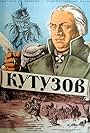
In 1936, Dikij was removed from Moscow then appointed the director of the Bolshoi Drama Theater (BDT) in Leningrad. There he began his life-long collaboration and friendship with actor Boris Babochkin. At that time, many Soviet intellectuals were terrorized by purges and repressions, known as the "Great Terror" under the dictatorship of Joseph Stalin. In 1937, Aleksei Dikij was arrested on false accusations of anti-Soviet activity. In reality, he was a victim of behind-the-scenes manipulations against him by other jealous actors. Dikij was sentenced and exiled to a Gulag prison camp in Siberia, where he spent 4 years until his release in 1941. He was not allowed to return to work in Leningrad or Moscow; instead, he lived and worked in the Siberian city of Omsk for several years during the Second World War. In 1944, Dikij was cast in the title role as Prince Kutuzov in a Soviet propaganda film 1812 (1944), which was also known outside the Soviet Union as '1812'. For that role, Dikij was awarded the State Stalin's Prize and was allowed to work in Moscow as a theater director. His most important works as director were "Blokha" by Nikolai Leskov and "Teni" (aka. Shadows) by Mikhail Saltykov-Shchedrin, starring Boris Babochkin.
Ironically, after serving time in Stalin's Gulag prison camp, Aleksei Dikij was cast to portray Joseph Stalin in several propaganda films. Stalin himself approved Dikij for the role. Stalin became interested in the brilliant actor after he saw the film 1812 (1944). Then Stalin saw Dikij's performance in the role of Stalin, and sent his security officers to get Dikij delivered to the Kremlin for a brief meeting. Stalin had a drink and told Dikij that his imprisonment was a must, and that everyone in the country must undergo such experience in exile and prison-camps. Later Dikij told his students that he played the role of 'Stalin' as a dangerous, scary, power-hungry dictator. Stalin liked the image of himself made by Dikij in films, and awarded the actor with the State Stalin's Prize 5 times, in 1946, 1947, 1949 twice, and 1950. Dikij was designated People's Artist of the USSR (1949). He was nominated for 'Best Actor' and received a special mention at the 1947 Venice Film Festival for the title role in Admiral Nakhimov (1947).
In 1952 Dikij directed his last stage production titled "Teni" (aka.. Shadows), a play by Saltykov-Shchedrin. Under Dikij's direction, his friend and partner, Boris Babochkin, played one of his best roles ever - Klaverov, a corrupt career politician, alluding to a typical Soviet bureaucrat. For that work, Babochkin was viciously attacked in the official Soviet newspaper "Pravda" by none other than Ekaterina Furtseva, who was then the Mayor of Moscow and later was made Soviet Minister of Culture and committed suicide. Furtseva became enraged with Dikij's and Babochkin's satirical portrayal of the Soviet bureaucracy with allusions to the Soviet leadership. She banned the play and censored both Babochkin and Dikij from public performances and kept them virtually unemployed for three years until Babochkin was finally forced to repent to the Communist Party.
Dikij suffered from being a powerless witness to Babochkin's public humiliation, which caused Dikij severe emotional trauma, so he sank into alcoholism and depression.
Aleksei Dikij died of heart failure on October 1, 1955, in Moscow, and was laid to rest in Novodevichy Monastery Cemetery in Moscow, Russia.
He was born Aleksei Denisovich Dikij on February 24, 1889, in Katerynoslav, Russian Empire (now Dnipro, Ukraine). At a young age, he moved to Kharkiv, where his sister, a popular actress, helped him to become an actor. Young Dikij made his acting debut on the stage of Kharkiv Drama. In 1909, he moved to Moscow with the assistance of I. Uralov, an actor of Moscow Art Theatre. There, Dikij studied acting under Konstantin Stanislavski and Vladimir Nemirovich-Danchenko, and was hired as an actor at the Moscow Art Theater in 1910. He admired the stage works of Michael Chekhov and was his partner on stage. In 1922, Dikij followed Michael Chekhov in the formation of the second Moscow Art Theater, MKhAT-2. There, his artistic rivalry with Michael Chekhov turned into a bitter dispute, and Dikij left Moscow Art Theatre in 1928. At that time, he also worked as a director with the Jewish Chamber Theatre in Moscow.
In 1928, Aleksei Dikij received an invitation to work in Tel-Aviv. There, he worked as director with "Habima", the legendary Jewish theatre troupe, which emigrated from Russia. Dikij directed two successful plays for "Habima" in Tel-Aviv. On December 29, 1928, he premiered 'Der Oytser' (The Treasure), a play by Sholom Aleichem, which became a great artistic and financial success. On May 23, 1929, he premiered 'The Crown', a play by David Calderon. With the success of Dikij's directorship, "Habima" became established as a national Jewish theatre, and Dikij gained an international reputation as an innovative director.
In 1931, back in Moscow, Dikij started his theater-studio in Moscow and also taught an acting class. In 1934, Dikij collaborated with Dmitri Shostakovich on the legendary opera 'Katerina Izmailova' (aka.. Lady Makbeth of Mtsensk). Dikij's production of 'Katerina Izmailova' had over 100 performances in Leningrad and Moscow, and was considered a highlight in his directing career. However, in 1936, Joseph Stalin saw the opera and severely criticized the work of both Shostakovich and Dikij. After Stalin's negative criticism, both Shostakovich and Dikij suffered from serious troubles in their lives and careers.
In 1936, Dikij was removed from Moscow then appointed the director of the Bolshoi Drama Theater (BDT) in Leningrad. There he began his life-long collaboration and friendship with actor Boris Babochkin. At that time, many Soviet intellectuals were terrorized by purges and repressions, known as the "Great Terror" under the dictatorship of Joseph Stalin. In 1937, Aleksei Dikij was arrested on false accusations of anti-Soviet activity. In reality, he was a victim of behind-the-scenes manipulations against him by other jealous actors. Dikij was sentenced and exiled to a Gulag prison camp in Siberia, where he spent 4 years until his release in 1941. He was not allowed to return to work in Leningrad or Moscow; instead, he lived and worked in the Siberian city of Omsk for several years during the Second World War. In 1944, Dikij was cast in the title role as Prince Kutuzov in a Soviet propaganda film 1812 (1944), which was also known outside the Soviet Union as '1812'. For that role, Dikij was awarded the State Stalin's Prize and was allowed to work in Moscow as a theater director. His most important works as director were "Blokha" by Nikolai Leskov and "Teni" (aka. Shadows) by Mikhail Saltykov-Shchedrin, starring Boris Babochkin.
Ironically, after serving time in Stalin's Gulag prison camp, Aleksei Dikij was cast to portray Joseph Stalin in several propaganda films. Stalin himself approved Dikij for the role. Stalin became interested in the brilliant actor after he saw the film 1812 (1944). Then Stalin saw Dikij's performance in the role of Stalin, and sent his security officers to get Dikij delivered to the Kremlin for a brief meeting. Stalin had a drink and told Dikij that his imprisonment was a must, and that everyone in the country must undergo such experience in exile and prison-camps. Later Dikij told his students that he played the role of 'Stalin' as a dangerous, scary, power-hungry dictator. Stalin liked the image of himself made by Dikij in films, and awarded the actor with the State Stalin's Prize 5 times, in 1946, 1947, 1949 twice, and 1950. Dikij was designated People's Artist of the USSR (1949). He was nominated for 'Best Actor' and received a special mention at the 1947 Venice Film Festival for the title role in Admiral Nakhimov (1947).
In 1952 Dikij directed his last stage production titled "Teni" (aka.. Shadows), a play by Saltykov-Shchedrin. Under Dikij's direction, his friend and partner, Boris Babochkin, played one of his best roles ever - Klaverov, a corrupt career politician, alluding to a typical Soviet bureaucrat. For that work, Babochkin was viciously attacked in the official Soviet newspaper "Pravda" by none other than Ekaterina Furtseva, who was then the Mayor of Moscow and later was made Soviet Minister of Culture and committed suicide. Furtseva became enraged with Dikij's and Babochkin's satirical portrayal of the Soviet bureaucracy with allusions to the Soviet leadership. She banned the play and censored both Babochkin and Dikij from public performances and kept them virtually unemployed for three years until Babochkin was finally forced to repent to the Communist Party.
Dikij suffered from being a powerless witness to Babochkin's public humiliation, which caused Dikij severe emotional trauma, so he sank into alcoholism and depression.
Aleksei Dikij died of heart failure on October 1, 1955, in Moscow, and was laid to rest in Novodevichy Monastery Cemetery in Moscow, Russia.