Yevgeny Bauer(1865-1917)
- Director
- Production Designer
- Writer
Yevgeni Bauer was the most important filmmaker of the early Russian
cinema, who made about eighty silent films in 5 years before the
Russian Revolution of 1917.
He was born Yevgeni Frantsevich Bauer in 1865, in Moscow, Russia, into an artistic family. His father, Franz Bauer, was a renown musician who played zither, his mother was an opera singer, and his sisters eventually became stage and cinema actresses. From 1882 - 1887 he studied at Moscow School of Art, Sculpture and Architecture, graduating in 1887, as an artist. At that time Bauer worked for Moscow theatres as a stage artist as well as a set designer for popular musicals and comedies. He was also known as a newspaper satirist, a caricaturist for magazines, a journalist, and a theatrical impresario. During the 1900s he became involved in still photography and worked as an artistic photographer, having several of his pictures published in the Russian media.
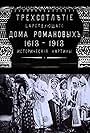
In 1912, Bauer was hired by A. Drankov and Taldykin as a production designer for Tryokhsotletie tsarstvovaniya doma Romanovykh (1913), then he became a film director for their company. After making four films as director for A. Drankov, he moved on to work for Pathe's Star Film Factory in Moscow, and made another four films for them. In 1913, Bauer was invited by the leading Russian producer Aleksandr Khanzhonkov. Their fruitful collaboration would last only four years, yielding about 70 films, of which less than a half survived. Among Bauer's best works with Khanzhyonkov were such films as After Death (1915), Her Sister's Rival (1916), and Revolyutsioner (1917), starring Ivane Perestiani as an Old revolutionary.
Bauer reached his peak in the genre of social drama, such as Daydreams (1915) (aka.. Daydreams), starring Alexander Wyrubow as Sergei, an obsessed widower who falls for an actress because of her resemblance of his late wife, but soon their characters clash, leading to a tragic end. Soon Yevgeni Bauer established himself as the leading film director in Russia. He achieved great financial success earning up to 40,000 rubles annually. In 1914, Bauer started using his wife's name, Ancharov, as his artistic name, due to the political pressure from rising Russian nationalism during the First World War, so he was credited as Ancharov in some of his films. Bauer was the main force behind successful careers of major Russian silent film stars of that time, such as Ivan Mozzhukhin and Vera Kholodnaya. With Vera Kholodnaya, Bauer made thirteen films back-to-back in one year. In After Death (1915) and Umirayushchiy lebed (1917), Bauer cast none other than Vera Karalli, the legendary ballerina of the Boshoi Theatre and Sergei Diaghilev's Ballets Russes.
Bauer's style evolved from his experience as a theatre artist, actor and photographer who incorporated theatrical techniques in his films in a uniquely cinematic way. His mastery of lighting, his use of unusual camera angles and huge close-ups, his inventive and thoughtful montage and such theatrical effects as long shots through windows or his use of gauzes and curtains to alter the screen image, all these innovations were decades ahead of his time. Bauer was one of the first film directors who used the split screen. He introduced a multi-layered staging involving juxtaposed foreground and background with lush decor and thoughtful compositions alluding to classical paintings of the old masters. He developed ingenious camera movements, showing a remarkable depth of field, and achieving powerful dramatic effects. Bauer's vision and inventiveness, his integrated skills as artist, actor, photographer, and director, made him the leading filmmaker of the early Russian cinema.
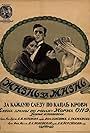
Russia was a tough place for film and entertainment business, becoming increasingly unstable during the turbulent years of the First World War. Then Russian culture and film industry suffered from a cascade of troubles and destructions caused by several Russian Revolutions. However, by 1917 several major Russian film studios became established in Yalta, Crimea, near the Tsar's palaces and lush villas of other major patrons, where social environment of an upscale resort with a Mediterranean climate provided special conditions conducive for filming all year round. Bauer moved to Yalta and continued his work at the newly established Khanzhyonkov film studio, becoming also its major shareholder. There Bauer directed his last masterpiece, Za schastem (1917) (aka.. For happiness), passing the torch to his apprentice, Lev Kuleshov, who replaced the ailing Bauer in the role as painter Enrico, which Bauer wanted to play himself, but unfortunately he fell and broke his leg.
In spite of his illness, Bauer used a wheelchair, and began directing his last film, Korol Parizha (1917), which was initially designed as his largest project, but was ended as his last song. His broken leg and unexpected complications interrupted his work as he became bedridden in a Yalta hospital. The film was completed by actress Olga Rakhmanova and his colleagues at Khanzhyonkov studio. Yevgeni Bauer died of pneumonia on 22nd of July (9th of July, old style), 1917, in Yalta, Crimea, and was laid to rest in Yalta cemetery, Yalta, Crimea, Russia (now Yalta, Ukraine).
Bauer was married to actress and dancer Emma Bauer (nee Ancharova), whom he met in the 1890s during his stint as a theatre artist. In 1915 Lina Bauer starred as a flirtatious wife who hides her lover in a closet and successfully outwits her husband in Bauer's comedy The 1002nd Ruse (1915) (aka.. The 1002nd Ruse). Bauer's sister, Emma Bauer also starred in several of his films.
He was born Yevgeni Frantsevich Bauer in 1865, in Moscow, Russia, into an artistic family. His father, Franz Bauer, was a renown musician who played zither, his mother was an opera singer, and his sisters eventually became stage and cinema actresses. From 1882 - 1887 he studied at Moscow School of Art, Sculpture and Architecture, graduating in 1887, as an artist. At that time Bauer worked for Moscow theatres as a stage artist as well as a set designer for popular musicals and comedies. He was also known as a newspaper satirist, a caricaturist for magazines, a journalist, and a theatrical impresario. During the 1900s he became involved in still photography and worked as an artistic photographer, having several of his pictures published in the Russian media.
In 1912, Bauer was hired by A. Drankov and Taldykin as a production designer for Tryokhsotletie tsarstvovaniya doma Romanovykh (1913), then he became a film director for their company. After making four films as director for A. Drankov, he moved on to work for Pathe's Star Film Factory in Moscow, and made another four films for them. In 1913, Bauer was invited by the leading Russian producer Aleksandr Khanzhonkov. Their fruitful collaboration would last only four years, yielding about 70 films, of which less than a half survived. Among Bauer's best works with Khanzhyonkov were such films as After Death (1915), Her Sister's Rival (1916), and Revolyutsioner (1917), starring Ivane Perestiani as an Old revolutionary.
Bauer reached his peak in the genre of social drama, such as Daydreams (1915) (aka.. Daydreams), starring Alexander Wyrubow as Sergei, an obsessed widower who falls for an actress because of her resemblance of his late wife, but soon their characters clash, leading to a tragic end. Soon Yevgeni Bauer established himself as the leading film director in Russia. He achieved great financial success earning up to 40,000 rubles annually. In 1914, Bauer started using his wife's name, Ancharov, as his artistic name, due to the political pressure from rising Russian nationalism during the First World War, so he was credited as Ancharov in some of his films. Bauer was the main force behind successful careers of major Russian silent film stars of that time, such as Ivan Mozzhukhin and Vera Kholodnaya. With Vera Kholodnaya, Bauer made thirteen films back-to-back in one year. In After Death (1915) and Umirayushchiy lebed (1917), Bauer cast none other than Vera Karalli, the legendary ballerina of the Boshoi Theatre and Sergei Diaghilev's Ballets Russes.
Bauer's style evolved from his experience as a theatre artist, actor and photographer who incorporated theatrical techniques in his films in a uniquely cinematic way. His mastery of lighting, his use of unusual camera angles and huge close-ups, his inventive and thoughtful montage and such theatrical effects as long shots through windows or his use of gauzes and curtains to alter the screen image, all these innovations were decades ahead of his time. Bauer was one of the first film directors who used the split screen. He introduced a multi-layered staging involving juxtaposed foreground and background with lush decor and thoughtful compositions alluding to classical paintings of the old masters. He developed ingenious camera movements, showing a remarkable depth of field, and achieving powerful dramatic effects. Bauer's vision and inventiveness, his integrated skills as artist, actor, photographer, and director, made him the leading filmmaker of the early Russian cinema.
Russia was a tough place for film and entertainment business, becoming increasingly unstable during the turbulent years of the First World War. Then Russian culture and film industry suffered from a cascade of troubles and destructions caused by several Russian Revolutions. However, by 1917 several major Russian film studios became established in Yalta, Crimea, near the Tsar's palaces and lush villas of other major patrons, where social environment of an upscale resort with a Mediterranean climate provided special conditions conducive for filming all year round. Bauer moved to Yalta and continued his work at the newly established Khanzhyonkov film studio, becoming also its major shareholder. There Bauer directed his last masterpiece, Za schastem (1917) (aka.. For happiness), passing the torch to his apprentice, Lev Kuleshov, who replaced the ailing Bauer in the role as painter Enrico, which Bauer wanted to play himself, but unfortunately he fell and broke his leg.
In spite of his illness, Bauer used a wheelchair, and began directing his last film, Korol Parizha (1917), which was initially designed as his largest project, but was ended as his last song. His broken leg and unexpected complications interrupted his work as he became bedridden in a Yalta hospital. The film was completed by actress Olga Rakhmanova and his colleagues at Khanzhyonkov studio. Yevgeni Bauer died of pneumonia on 22nd of July (9th of July, old style), 1917, in Yalta, Crimea, and was laid to rest in Yalta cemetery, Yalta, Crimea, Russia (now Yalta, Ukraine).
Bauer was married to actress and dancer Emma Bauer (nee Ancharova), whom he met in the 1890s during his stint as a theatre artist. In 1915 Lina Bauer starred as a flirtatious wife who hides her lover in a closet and successfully outwits her husband in Bauer's comedy The 1002nd Ruse (1915) (aka.. The 1002nd Ruse). Bauer's sister, Emma Bauer also starred in several of his films.