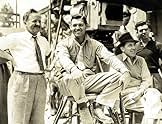
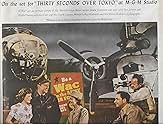
Harold Rosson(1895-1988)
- Cinematographer
- Camera and Electrical Department
- Second Unit Director or Assistant Director

Harold G. "Hal" Rosson, a cinematographer known for his subtle and imaginative lighting, was born in Geneseo, New York, on August 24, 1895, although some sources cite his birthday as April 6, 1895, or in 1889.
Rosson entered the movie industry in 1908 as an actor at the Vitagraph Studios in Brooklyn, New York. Eventually, he quit acting to become an assistant to director of photography Irvin Willat at the Mark Dintenfass Studios. Moving on to the Famous Players Studio in 1912, he served as a "film johnny," or jack-of-all-trades, working as an assistant, extra and handyman, while simultaneously holding down a job as an office boy in a stock brokerage. By 1914, he was employed by a small theater in Brooklyn, where his duties included being the projectionist and manning the ticket booth.
Rosson finally abandoned New York for California in December 1914 and secured employment at Metro Pictures as assistant to both property man Danny Hogan and director of photography Arthur A. Cadwell. He moved back to New York when Metro relocated there, eventually becoming a director of photography in 1915. His first film has been cited as David Harum (1915) for director Allan Dwan (film credits for cinematographers were not inaugurated until 1919, under the influence of the American Society of Cinematographers, which Rosson joined in 1927). As a cinematographer, he also worked for the Kalem Company, Famous Players and Essanay before his career was interrupted by WWI, during which he served in the army.
After being demobilized, he got a job as assistant to cinematographer H. Lyman Broening on The Dark Star (1919), which starred Marion Davies and was shot in Fort Lee, NJ. He became an employee of Davies' production company, Cosmopolitan Productions, which had been set up for her in 1918 by her lover, William Randolph Hearst. In 1920, Rosson was signed by Mary Pickford to shoot movies starring her brother, Jack Pickford.
He eventually rejoined Metro (which in 1924, merged with Goldwyn Studios and then with Louis B. Mayer Productions to become Metro-Goldwyn-Mayer), where he made his reputation. At MGM he was the lighting cameraman on Red Dust (1932), Red-Headed Woman (1932) and Bombshell (1933), on which his camera work showed off star Jean Harlow's platinum blonde look to maximum advantage. Rosson was married to Harlow for two years, from 1933 to 1935, which was indicative of his high status in the film community. In 1935 he moved to England to work for Alexander Korda's London Film Productions, but eventually he returned to MGM.
Rosson became a noted cinematographer in color, using the skills he had developed shooting in black & white to soften the palette created by the Technicolor process. Due to its need for high light levels, Technicolor often created gaudy images that resembled a child's coloring book. Rosson was able to make the colors more subtle, and was the recipient along with W. Howard Greene of an honorary Academy Award plaque for his color photography on The Garden of Allah (1936) in 1937 (the cinematography category was not split into color and B&W categories until the awards for 1939. The awards for color cinematography made for the 1936, '37, and '38 production years were awarded on the basis of a recommendation of a committee of leading cinematographers that viewed all the color pictures made during the year. For the 1967 awards, the B&W category was eliminated).
Rosson also was hailed for his photography on The Wizard of Oz (1939), for which he received the first of his five Academy Award nominations. When Rosson shot "Oz," he had the aid of two cameramen lent to MGM by Technicolor, and enjoyed the advice of Technicolor consultant Henri Jaffa, whose title was Technicolor Color Director (all early Technicolor films were overseen by a consultant from the company, to ensure that cinematographers and directors didn't use the process in ways Technicolor deemed improper and that violated its aesthetic criteria).
Ironically, four of Rosson's five Oscar nominations for best cinematography were for his B&W work. His B&W cinematography for The Asphalt Jungle (1950), for which he received his fourth Oscar nomination, is noted for creating the stark atmosphere that was central to the story and the overall success of the John Huston picture.
He retired in 1958 after shooting Onionhead (1958) for director Norman Taurog, though he returned to shoot El Dorado (1966) for Howard Hawks. In addition to shooting eight films for Allan Dwan between 1915 and 1929 and The Asphalt Jungle (1950) and The Red Badge of Courage (1951) for John Huston, Rosson also worked many times with directors Josef von Sternberg, Sam Wood, Cecil B. DeMille, W.S. Van Dyke, Howard Hawks, Mervyn LeRoy, Norman Taurog, Fred Zinnemann, and Vincente Minnelli. He shot the "The Trolley Song" number in Meet Me in St. Louis (1944) for Minnelli and On the Town (1949) and Singin' in the Rain (1952) for Gene Kelly and Stanley Donen. His most famous collaboration was with director Victor Fleming, starting in 1923 with Dark Secrets (1923) and culminating in 1939 with his work on The Wizard of Oz (1939) (in December 1938, under the direction of producer David O. Selznick, Rosson shot the burning of Atlanta sequence for Gone with the Wind (1939), for which Fleming was credited as the director).
Rosson died on September 6, 1988, in Palm Beach, Florida, well into his 90s. His long life was a fitting cap to a long and productive career.
Rosson entered the movie industry in 1908 as an actor at the Vitagraph Studios in Brooklyn, New York. Eventually, he quit acting to become an assistant to director of photography Irvin Willat at the Mark Dintenfass Studios. Moving on to the Famous Players Studio in 1912, he served as a "film johnny," or jack-of-all-trades, working as an assistant, extra and handyman, while simultaneously holding down a job as an office boy in a stock brokerage. By 1914, he was employed by a small theater in Brooklyn, where his duties included being the projectionist and manning the ticket booth.
Rosson finally abandoned New York for California in December 1914 and secured employment at Metro Pictures as assistant to both property man Danny Hogan and director of photography Arthur A. Cadwell. He moved back to New York when Metro relocated there, eventually becoming a director of photography in 1915. His first film has been cited as David Harum (1915) for director Allan Dwan (film credits for cinematographers were not inaugurated until 1919, under the influence of the American Society of Cinematographers, which Rosson joined in 1927). As a cinematographer, he also worked for the Kalem Company, Famous Players and Essanay before his career was interrupted by WWI, during which he served in the army.
After being demobilized, he got a job as assistant to cinematographer H. Lyman Broening on The Dark Star (1919), which starred Marion Davies and was shot in Fort Lee, NJ. He became an employee of Davies' production company, Cosmopolitan Productions, which had been set up for her in 1918 by her lover, William Randolph Hearst. In 1920, Rosson was signed by Mary Pickford to shoot movies starring her brother, Jack Pickford.
He eventually rejoined Metro (which in 1924, merged with Goldwyn Studios and then with Louis B. Mayer Productions to become Metro-Goldwyn-Mayer), where he made his reputation. At MGM he was the lighting cameraman on Red Dust (1932), Red-Headed Woman (1932) and Bombshell (1933), on which his camera work showed off star Jean Harlow's platinum blonde look to maximum advantage. Rosson was married to Harlow for two years, from 1933 to 1935, which was indicative of his high status in the film community. In 1935 he moved to England to work for Alexander Korda's London Film Productions, but eventually he returned to MGM.
Rosson became a noted cinematographer in color, using the skills he had developed shooting in black & white to soften the palette created by the Technicolor process. Due to its need for high light levels, Technicolor often created gaudy images that resembled a child's coloring book. Rosson was able to make the colors more subtle, and was the recipient along with W. Howard Greene of an honorary Academy Award plaque for his color photography on The Garden of Allah (1936) in 1937 (the cinematography category was not split into color and B&W categories until the awards for 1939. The awards for color cinematography made for the 1936, '37, and '38 production years were awarded on the basis of a recommendation of a committee of leading cinematographers that viewed all the color pictures made during the year. For the 1967 awards, the B&W category was eliminated).
Rosson also was hailed for his photography on The Wizard of Oz (1939), for which he received the first of his five Academy Award nominations. When Rosson shot "Oz," he had the aid of two cameramen lent to MGM by Technicolor, and enjoyed the advice of Technicolor consultant Henri Jaffa, whose title was Technicolor Color Director (all early Technicolor films were overseen by a consultant from the company, to ensure that cinematographers and directors didn't use the process in ways Technicolor deemed improper and that violated its aesthetic criteria).
Ironically, four of Rosson's five Oscar nominations for best cinematography were for his B&W work. His B&W cinematography for The Asphalt Jungle (1950), for which he received his fourth Oscar nomination, is noted for creating the stark atmosphere that was central to the story and the overall success of the John Huston picture.
He retired in 1958 after shooting Onionhead (1958) for director Norman Taurog, though he returned to shoot El Dorado (1966) for Howard Hawks. In addition to shooting eight films for Allan Dwan between 1915 and 1929 and The Asphalt Jungle (1950) and The Red Badge of Courage (1951) for John Huston, Rosson also worked many times with directors Josef von Sternberg, Sam Wood, Cecil B. DeMille, W.S. Van Dyke, Howard Hawks, Mervyn LeRoy, Norman Taurog, Fred Zinnemann, and Vincente Minnelli. He shot the "The Trolley Song" number in Meet Me in St. Louis (1944) for Minnelli and On the Town (1949) and Singin' in the Rain (1952) for Gene Kelly and Stanley Donen. His most famous collaboration was with director Victor Fleming, starting in 1923 with Dark Secrets (1923) and culminating in 1939 with his work on The Wizard of Oz (1939) (in December 1938, under the direction of producer David O. Selznick, Rosson shot the burning of Atlanta sequence for Gone with the Wind (1939), for which Fleming was credited as the director).
Rosson died on September 6, 1988, in Palm Beach, Florida, well into his 90s. His long life was a fitting cap to a long and productive career.