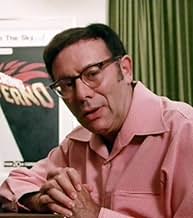
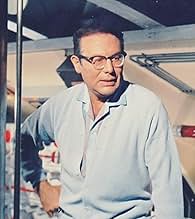
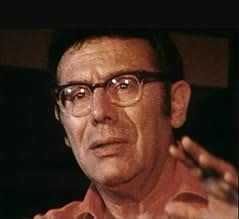
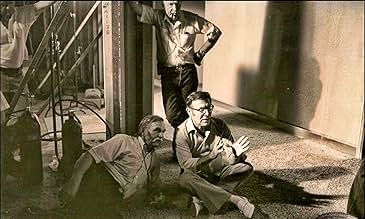
Irwin Allen(1916-1991)
- Writer
- Producer
- Director
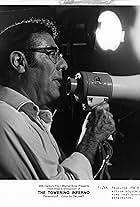
Although originally a journalist by occupation, Allen had always loved films and had always wished to be a part of them. He became
one of the biggest names in show business during the 1970s in the process, both producing
and directing some of its most popular films. After working in
magazines and advertising, he produced the documentary film
The Sea Around Us (1953). This
excellent film won an Academy Award for Best Documentary and he
decided to branch out into commercial film. His parody film of human history,
The Story of Mankind (1957),
was both a critical and commercial disaster, but he scored box office
success with the films The Big Circus (1959),
The Lost World (1960), a color remake of the classic silent film The Lost World (1925), and
Voyage to the Bottom of the Sea (1961).
As the 1960s began, he became interested in science fiction and scored considerable success in that genre. The TV spin-off of his film Voyage to the Bottom of the Sea (1961), also titled Voyage to the Bottom of the Sea (1964), struck a chord with TV audiences, and so did the succeeding TV series Lost in Space (1965), The Time Tunnel (1966) and Land of the Giants (1968).
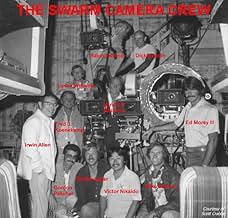
However, it was during the 1970s that Allen truly became became a household name. Noting the massive box office success of the film Airport (1970), he immediately branched out into disaster films and was able to obtain star-studded casts. Allen's film The Poseidon Adventure (1972), about passengers abroad a capsized cruise ship, was one of the biggest box office hits of the year and its theme song, "The Morning After" by Maureen McGovern, won an Academy Award for Best Song. He followed up that triumph by both producing and co-directing the smash hit film The Towering Inferno (1974), about a group of people trapped in a burning skyscraper, which also drew huge audiences and profits. In his personal life, at that time he fell in love with actress Sheila Allen (Sheila Matthews), whom he married in 1974. He briefly returned to TV with the TV series Swiss Family Robinson (1975), but it only lasted two seasons before it was canceled. It was then that his popularity was at its peak, and he had become known as "The Master of Disaster". He then both produced and directed the killer bee film The Swarm (1978). In spite of both a big budget and a star-studded cast, both its poor special effects and its poor dialogue made it a box office bomb. The following year he made, produced and co-directed the sequel and conclusion to his previous film The Poseidon Adventure (1972), Beyond the Poseidon Adventure (1979), which audiences thought was dull and implausible. In 1980, he attempted to make a comeback with the film When Time Ran Out... (1980), about tourists and Native Americans both struggling to escape the eruption of a a volcano. The lavishly financed film did draw attention when Mount St. Helens in Washington State erupted during its release, but it was also a box office bomb. After making three expensive disaster films that had lost huge amounts of money, Allen was never again able to make films on such a grand scale. He did remain active in the entertainment industry during the 1980s, however. He designed a special effects ride at Universal Studios Hollywood and also produced some TV miniseries. He died of a heart attack in 1991 and Sheila, his widow, today helps run an official website that is dedicated to his memory.
As the 1960s began, he became interested in science fiction and scored considerable success in that genre. The TV spin-off of his film Voyage to the Bottom of the Sea (1961), also titled Voyage to the Bottom of the Sea (1964), struck a chord with TV audiences, and so did the succeeding TV series Lost in Space (1965), The Time Tunnel (1966) and Land of the Giants (1968).
However, it was during the 1970s that Allen truly became became a household name. Noting the massive box office success of the film Airport (1970), he immediately branched out into disaster films and was able to obtain star-studded casts. Allen's film The Poseidon Adventure (1972), about passengers abroad a capsized cruise ship, was one of the biggest box office hits of the year and its theme song, "The Morning After" by Maureen McGovern, won an Academy Award for Best Song. He followed up that triumph by both producing and co-directing the smash hit film The Towering Inferno (1974), about a group of people trapped in a burning skyscraper, which also drew huge audiences and profits. In his personal life, at that time he fell in love with actress Sheila Allen (Sheila Matthews), whom he married in 1974. He briefly returned to TV with the TV series Swiss Family Robinson (1975), but it only lasted two seasons before it was canceled. It was then that his popularity was at its peak, and he had become known as "The Master of Disaster". He then both produced and directed the killer bee film The Swarm (1978). In spite of both a big budget and a star-studded cast, both its poor special effects and its poor dialogue made it a box office bomb. The following year he made, produced and co-directed the sequel and conclusion to his previous film The Poseidon Adventure (1972), Beyond the Poseidon Adventure (1979), which audiences thought was dull and implausible. In 1980, he attempted to make a comeback with the film When Time Ran Out... (1980), about tourists and Native Americans both struggling to escape the eruption of a a volcano. The lavishly financed film did draw attention when Mount St. Helens in Washington State erupted during its release, but it was also a box office bomb. After making three expensive disaster films that had lost huge amounts of money, Allen was never again able to make films on such a grand scale. He did remain active in the entertainment industry during the 1980s, however. He designed a special effects ride at Universal Studios Hollywood and also produced some TV miniseries. He died of a heart attack in 1991 and Sheila, his widow, today helps run an official website that is dedicated to his memory.